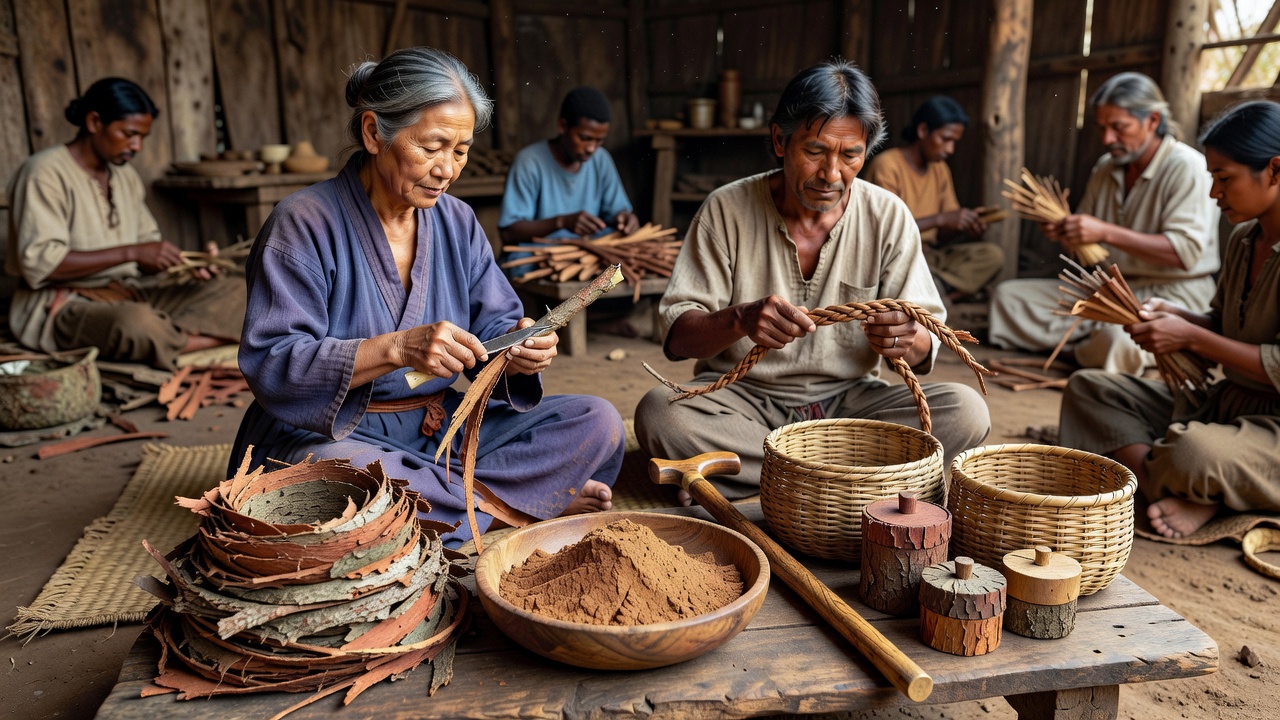
Capebark has long been valued for its natural properties and has found a place in various traditional applications around the world. This versatile material comes from specific tree species native to the Cape region and is known for its distinctive characteristics that set it apart from other barks. Those who explore natural options often encounter Capebark when seeking alternatives rooted in historical practices.
Origins and Sourcing
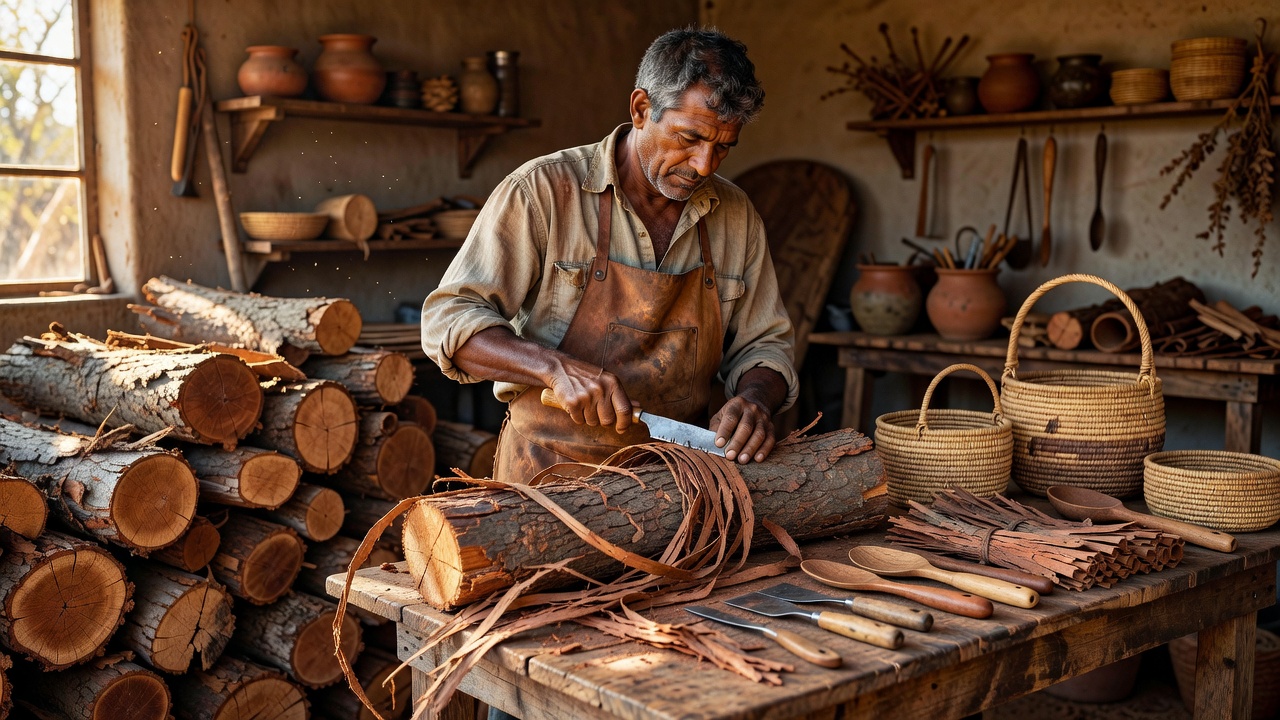
The Cape region provides the ideal climate for the trees that produce Capebark. Harvesters carefully select mature trees to ensure sustainability while maintaining the health of local ecosystems. The bark is then dried and processed using methods designed to preserve its essential qualities without introducing unnecessary additives. Proper sourcing remains important to maintain the integrity of the final product and support ongoing availability.
Individuals interested in Capebark frequently look for suppliers who follow ethical harvesting practices. This approach helps support local communities and protects the natural environment where these trees grow. Understanding the journey from tree to finished material gives users greater appreciation for the care involved in production.
Common Uses and Applications
People incorporate Capebark into their routines in several straightforward ways. It can be brewed into a mild tea or used in simple topical preparations depending on preference. Many appreciate its subtle flavor when prepared as an infusion and find it blends well with other natural ingredients for balanced mixtures. Its applications also extend to wellness practices where it is valued for potential soothing effects during daily use.
Users often report positive experiences when including Capebark consistently as part of a personal regimen. Experimenting with different preparation methods allows individuals to discover what works best for their needs. The material remains popular among those who prefer options derived from traditional knowledge rather than modern synthetics.
Considerations for Use
Before trying Capebark it is advisable to consult with a knowledgeable professional familiar with natural products. Individual responses can vary based on personal factors so starting with small amounts is recommended. Proper storage in a cool dry place helps maintain quality over extended periods and prevents degradation.
Understanding the background and practical uses of Capebark allows for more informed decisions. As interest in such materials continues to grow more resources become available to those seeking reliable information on natural options from the Cape region.