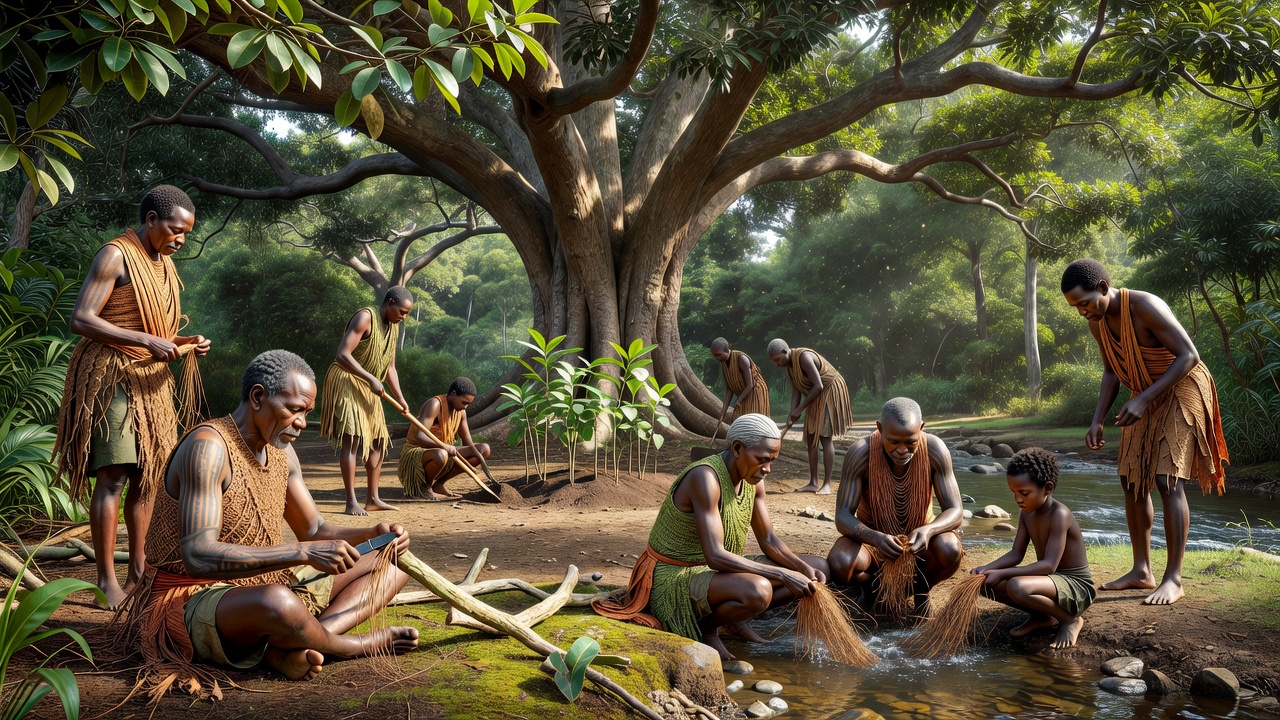
The Capebark people represent a vibrant community deeply intertwined with the natural environment of their homeland. Living in areas where the Capebark tree is abundant, they have developed a lifestyle centered around respect for nature and communal living. This article explores various aspects of their existence, providing insight into their enduring ways.
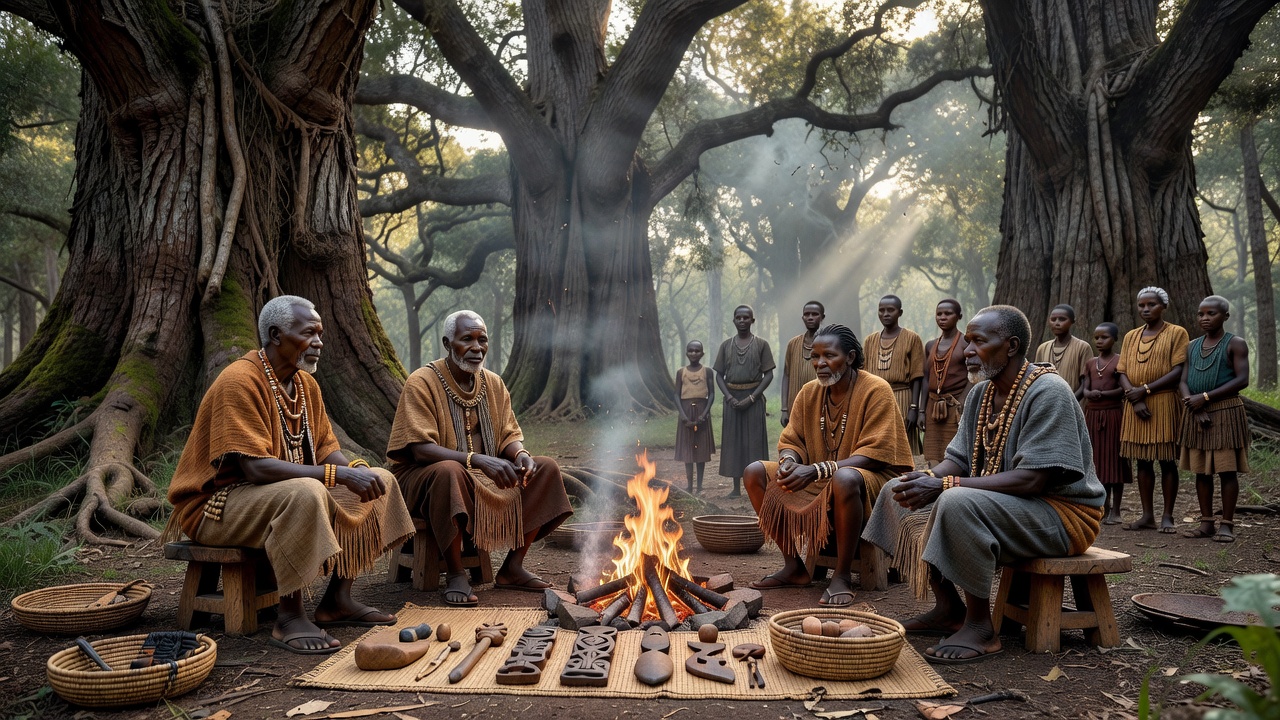
Historical Background of the Capebark People
Records indicate that the Capebark people have inhabited their lands for centuries. Their history is marked by resilience in the face of environmental changes. Early inhabitants learned to process the tough bark into usable materials through trial and observation. This skill became foundational to their economy and social interactions with neighboring groups. Stories passed from one generation to the next highlight key events such as great harvests and community migrations. These narratives serve to educate the young about the importance of balance with nature. Scholars studying the region note the sophisticated social systems that evolved to manage shared resources effectively.
Daily Practices and Cultural Traditions
Everyday life for the Capebark people revolves around seasonal cycles. Mornings often begin with communal gatherings to plan the day's activities, which may include gathering bark or tending to crops. Meals are shared, emphasizing cooperation and equality within the group. Cultural traditions include elaborate ceremonies during planting and harvesting times. Music and dance play significant roles, using instruments made from local materials. These events strengthen bonds and transmit values like patience and stewardship. Craftsmanship is highly prized, with techniques for weaving and dyeing bark passed down carefully. Items produced are used in trade and personal adornment, reflecting the artistic flair of the community.
Adapting to the Present Day
Today, the Capebark people navigate a world that brings both opportunities and threats. Access to education and healthcare has improved living standards, yet preserving their unique identity remains a priority. Community leaders advocate for policies that protect their lands from exploitation. Many individuals pursue careers outside traditional roles while maintaining ties to their roots through regular visits and participation in festivals. This blend of old and new allows the culture to evolve dynamically.