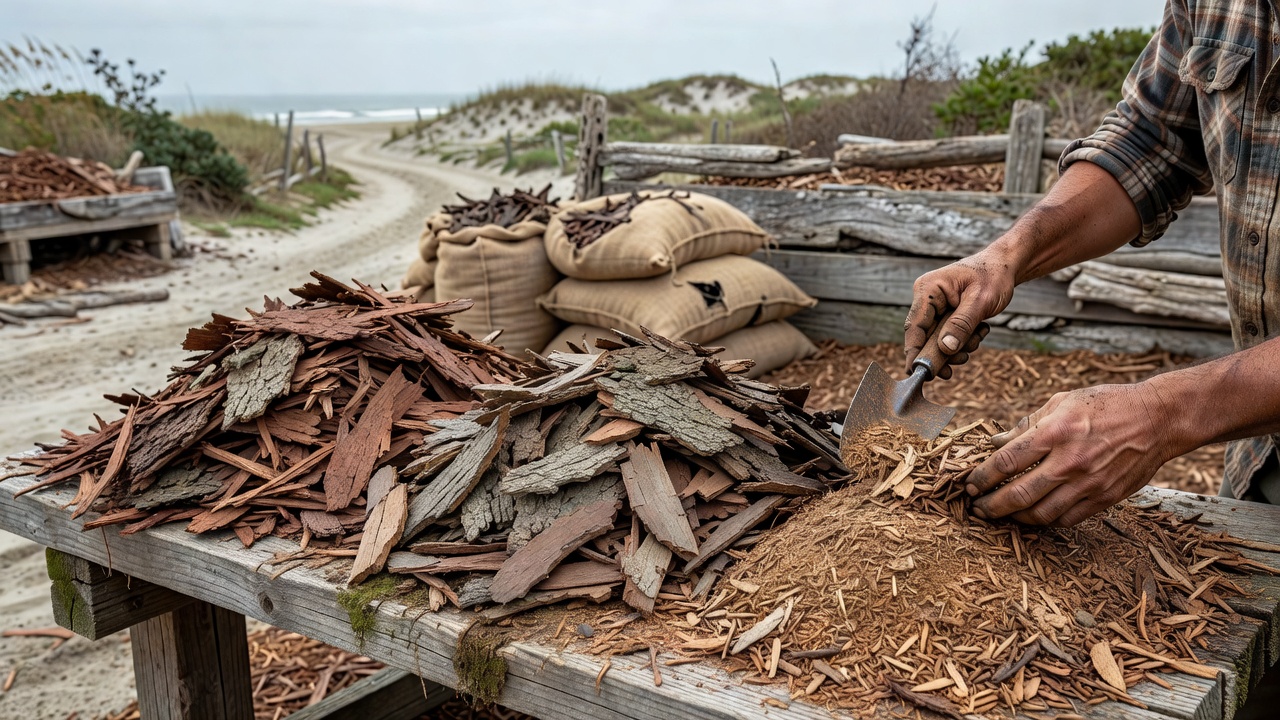
Capebark is a natural material derived from trees in coastal areas and valued for landscaping, mulching, and decorative projects. Selecting the right type requires attention to several practical aspects that influence performance and longevity. Understanding these elements helps ensure the material meets specific needs without unnecessary complications.
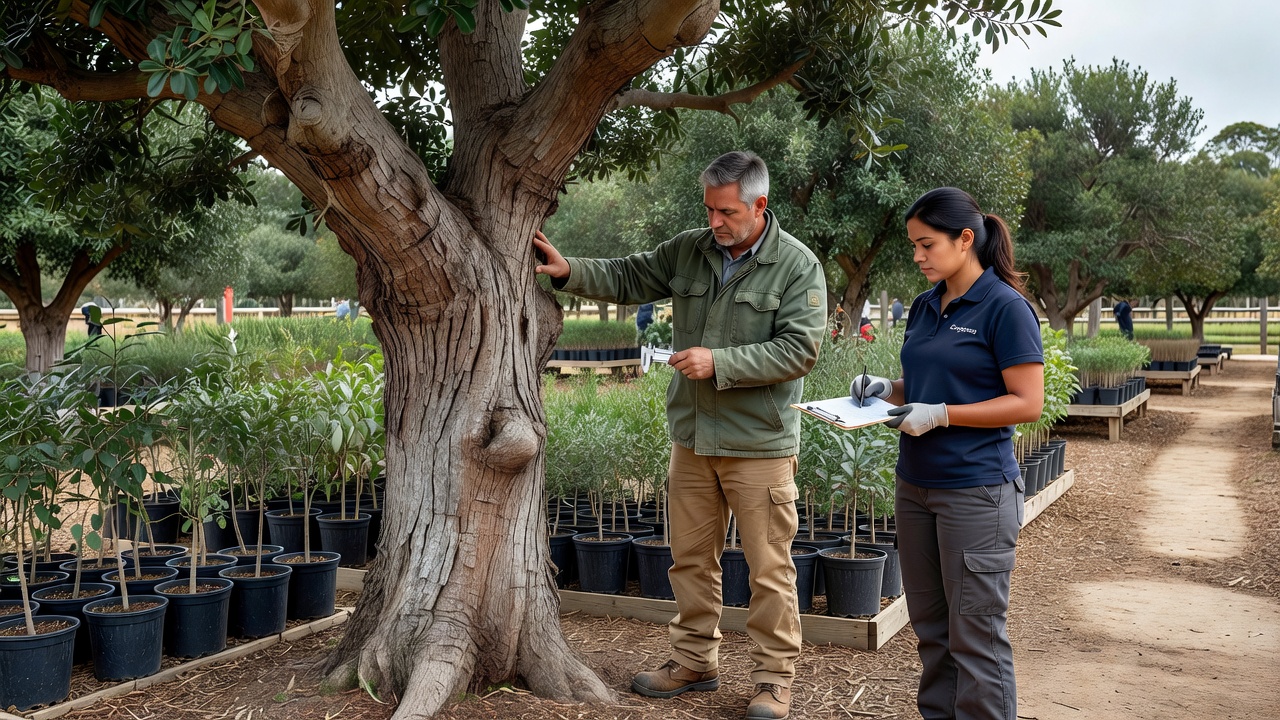
Assessing Material Quality
Quality in Capebark begins with visual and tactile inspection. Consistent color and texture indicate proper harvesting and processing. Bark showing cracks, discoloration, or pest damage may underperform in applications. Moisture levels matter as well; balanced content prevents issues like shrinkage or mold during storage and use. Suppliers that share details on sourcing regions and drying methods offer greater reliability. Small-scale testing before bulk orders confirms compatibility with intended projects such as garden beds or pathways.
Additional checks include particle size uniformity, which affects coverage and appearance. Variations can lead to uneven results, so reviewing product specifications in advance proves useful.
Evaluating Sustainability Practices
Ethical sourcing supports the continued availability of Capebark. Materials from certified suppliers follow guidelines that protect forest health and biodiversity. Overharvesting in any region risks long-term supply and ecological balance, making traceability important. Packaging and transport choices also contribute to overall impact, with minimal-waste options preferred where available.
Users benefit from understanding seasonal availability patterns, as this influences planning and reduces reliance on less sustainable alternatives during shortages.
Practical Considerations for Use
Storage conditions directly affect Capebark durability. A dry, shaded environment minimizes degradation and preserves natural properties. Periodic checks for insects or fungal growth allow early intervention. Matching bark variety to project requirements, such as finer grades for ornamental work, improves outcomes.
Application techniques should account for local climate factors like rainfall or temperature extremes. Adjusting depth and layering accordingly extends effectiveness. These steps promote efficient use while supporting consistent results across different settings.