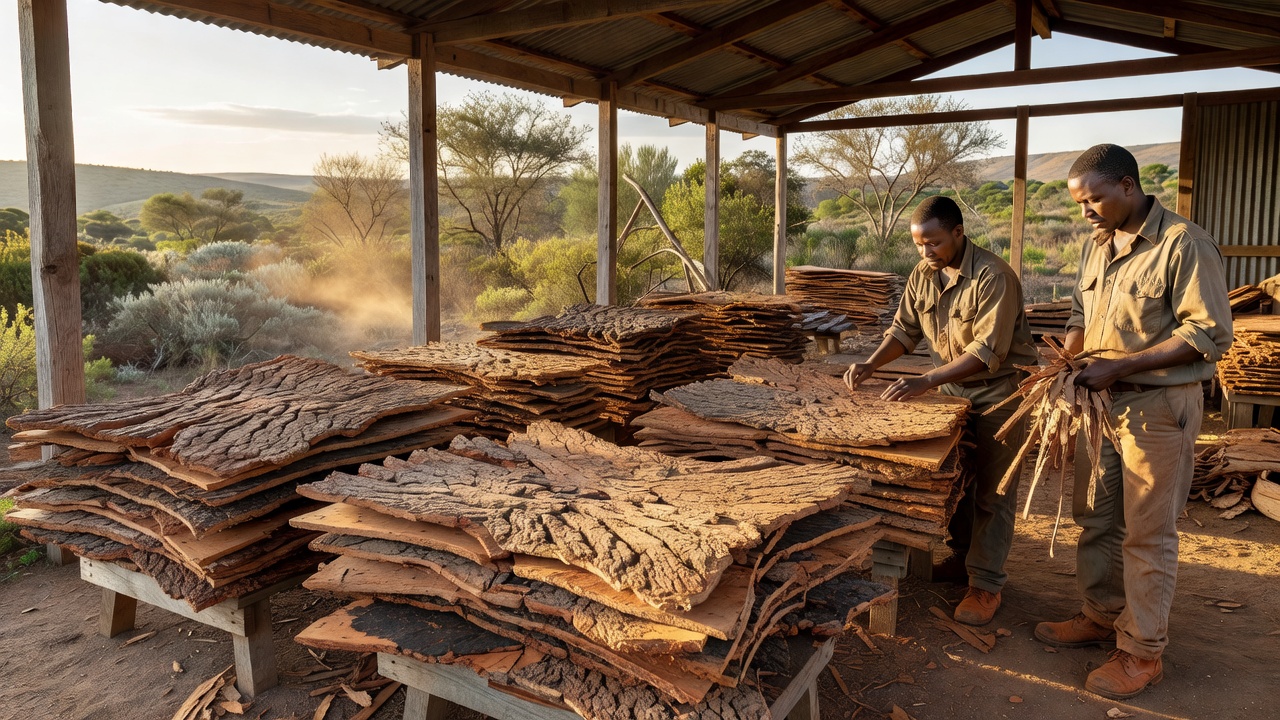
Capebark refers to the processed outer layer harvested from select indigenous trees in the Cape region. It offers a durable, naturally textured material valued for its resistance to decay and ability to regulate moisture. Gardeners, landscapers, and craftspeople have relied on it for generations because it breaks down slowly and integrates well with local soils.
Key Characteristics
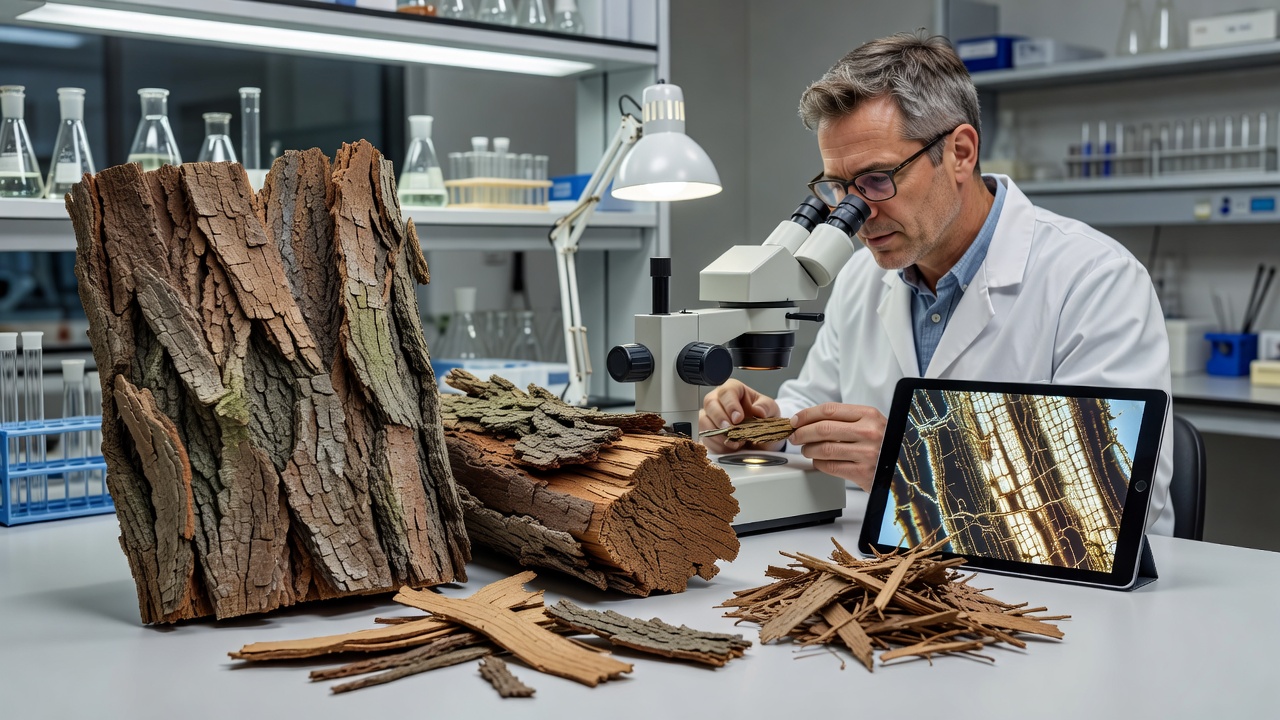
The bark displays a fibrous structure that allows air circulation while providing a protective barrier. Its neutral pH makes it compatible with a wide range of plants, and its dark color adds visual contrast in beds and borders. When properly dried and graded, Capebark remains stable under varying weather conditions without releasing harmful compounds.
Practical Applications
In horticulture Capebark functions as an effective mulch layer that reduces evaporation and limits weed germination. Landscape designers use it to create defined paths and to stabilize slopes where erosion control is needed. Some traditional practices incorporate finely shredded Capebark into poultices or infusions, though modern users should consult qualified practitioners before any internal application. Crafters also value the material for making rustic baskets, mats, and decorative panels that withstand outdoor exposure.
Sourcing and Sustainability
Responsible harvesting involves selecting mature trees and removing only portions of the bark so the tree can regenerate. Buyers are advised to verify that suppliers follow regional forestry guidelines and avoid protected species. Proper storage in a dry, ventilated area prevents mold and extends usability. When applied correctly, Capebark contributes to soil health as it gradually decomposes, returning organic matter without introducing synthetic additives.