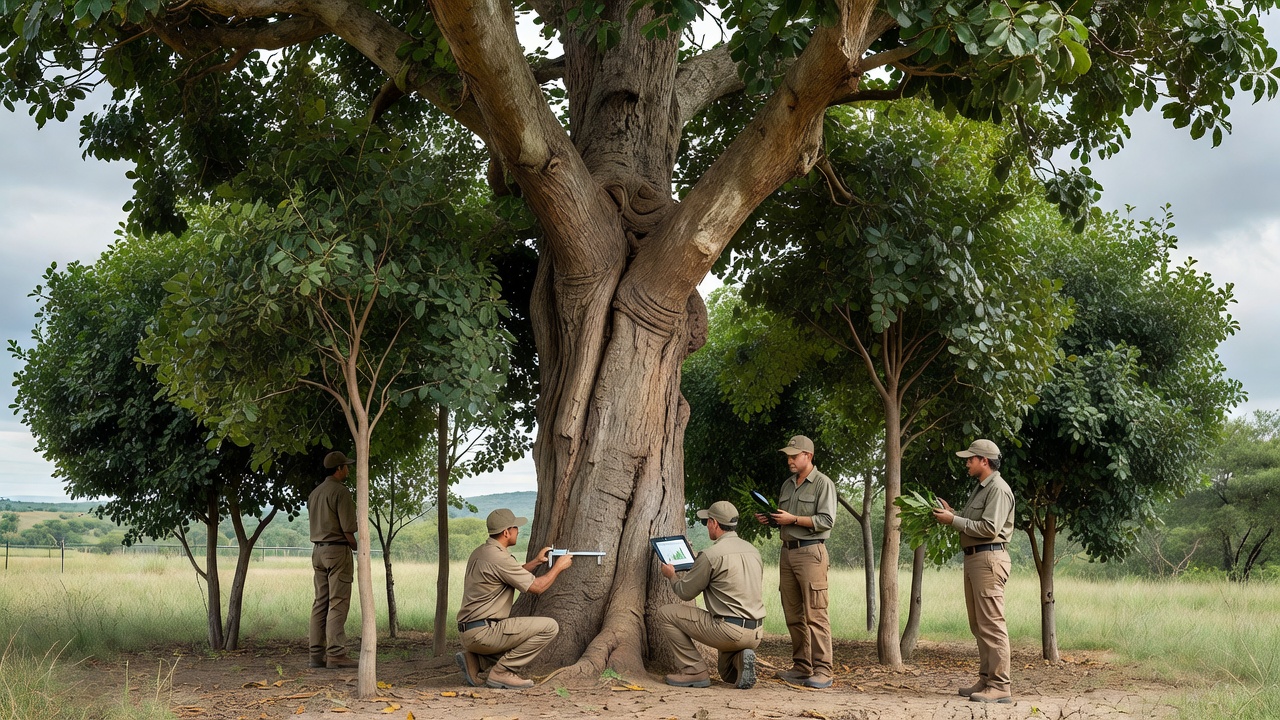
Capebark is a resilient tree species valued for its measurable traits in growth, yield, and ecology. These quantifiable aspects help assess its role in natural and managed environments without relying on trends or short-term events.

Physical Dimensions of Capebark Trees
Mature Capebark trees average 20 meters in height, though exceptional specimens reach 30 meters in favorable soils. Trunk diameters commonly fall between 50 and 80 centimeters, while leaves measure about 10 centimeters long and support a canopy spanning 15 square meters. Bark thickness averages 2 centimeters and can be collected periodically without damage to the tree. Annual height growth hits roughly 1 meter in the first decade, and lifespans often exceed 150 years, with verified examples surpassing 200 years. Root systems extend approximately 5 meters deep, aiding stability in varied terrains. A single tree may produce around 1,000 flowers and 5,000 seeds each season, contributing to natural regeneration rates.
Production and Yield Statistics
Commercial plantations achieve bark yields of 2 tons per hectare when trees are harvested on a five-year cycle. Individual trees supply about 5 kilograms of bark per harvest. Essential oil extraction yields 0.5 liters from every 100 kilograms of processed bark. Water needs average 500 liters monthly per tree in drier periods, while annual nitrogen uptake reaches 3 kilograms per specimen. Regional variations show a 10 percent difference in output based on rainfall levels. These figures support planning for sustainable harvesting and resource allocation in agricultural settings.
Ecological Impact Numbers
Capebark stands can host up to 50 insect species per hectare, promoting local biodiversity. Each tree sequesters roughly 10 kilograms of carbon yearly. Planting 100 Capebark specimens offsets emissions comparable to one standard vehicle annually. Soil retention improves by 25 percent in areas with established groves due to root networks. These metrics highlight steady environmental contributions across restoration and conservation projects. Overall, the numbers associated with Capebark provide a clear basis for evaluating its long-term utility in multiple contexts.