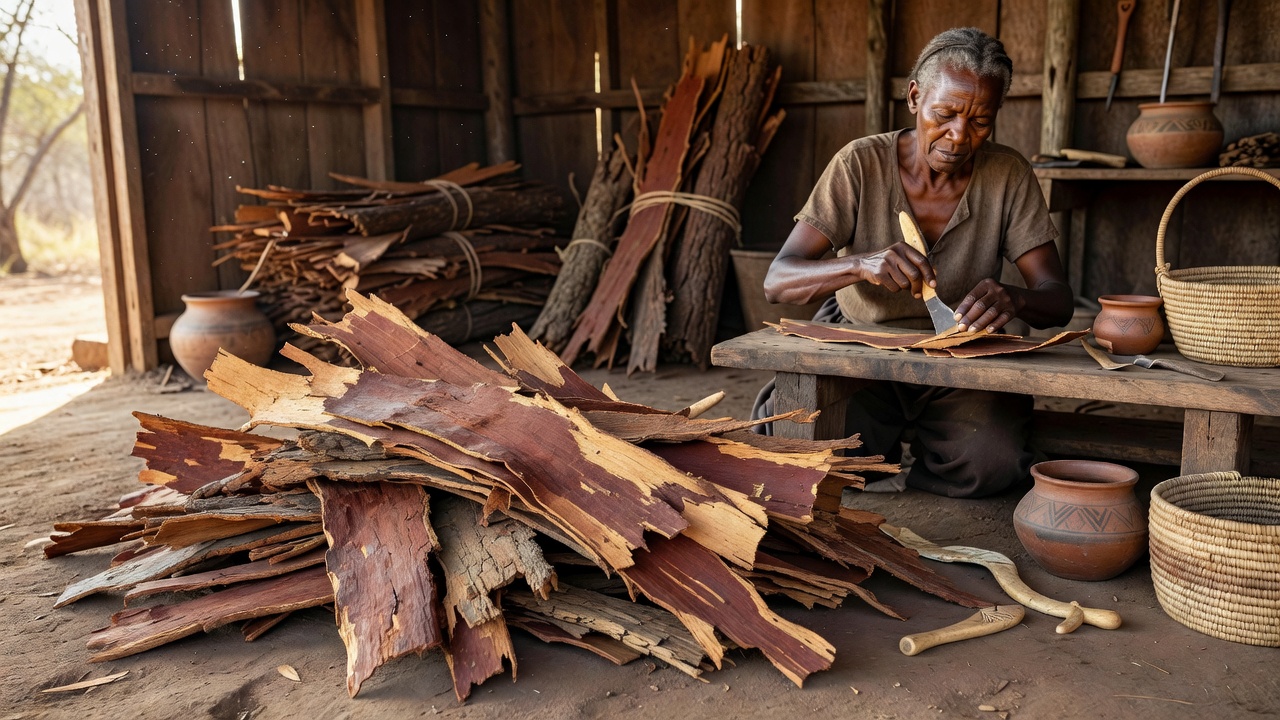
Capebark is the outer bark obtained from select tree species native to the Cape region. It has long featured in local traditions for its distinctive properties. The material is typically harvested, dried, and processed into teas, powders, or extracts. Users value its neutral flavor profile and subtle aromatic qualities when prepared properly.

Historical Background and Cultural Role
Indigenous communities in southern Africa gathered Capebark for practical and ceremonial purposes over many generations. Early records note its inclusion in daily routines alongside other regional botanicals. Healers prepared infusions to support general comfort during seasonal changes. Over time, knowledge of appropriate collection methods passed through families, emphasizing respect for the living tree and surrounding ecosystem. This approach helped maintain steady supplies without depleting local stands.
Trade routes later carried small quantities beyond the Cape, introducing the material to wider audiences interested in plant-based resources. Written accounts from the nineteenth century describe its appearance in markets and households where similar barks were already familiar. Such exchanges illustrate how Capebark became integrated into broader discussions of regional flora.
Contemporary Preparation and Applications
Modern practitioners often recommend Capebark as part of balanced wellness routines. It is commonly steeped in hot water for ten to fifteen minutes to create a mild beverage. Some combine it with ginger or citrus to enhance taste. Powdered forms appear in capsules or topical blends when additional texture is desired. Individuals experimenting with new ingredients are advised to begin with small amounts and observe personal responses.
Quality varies according to harvest timing and drying technique. Reputable suppliers provide details on origin and processing to help buyers make informed choices. Storage in cool, dry conditions preserves freshness for extended periods. Those seeking consistent results typically purchase from vendors who document sustainable collection practices.
Practical Considerations for Users
Before incorporating Capebark, it is sensible to consult reliable sources or qualified advisors familiar with individual health profiles. Potential interactions with existing regimens warrant attention, particularly when other botanicals are already in use. Pregnant or nursing individuals should exercise extra caution and seek professional guidance. Ethical sourcing remains important to protect wild populations and support communities involved in harvesting.
Continued interest in Capebark reflects a wider appreciation for regionally distinctive plant materials. When used thoughtfully within established guidelines, it offers one option among many traditional resources available today.